
Hydrogen Water vs. Hydrogen Inhalation: Which One Is Better?
Which one is better, hydrogen water or hydrogen inhalation? I have received this question so many times over the years that I eventually turned my answer into both an article and an H2Minutes video. There are definitely two camps—people who strongly prefer hydrogen water and people who strongly prefer hydrogen inhalation—but I do not think the science supports treating this like one method has to defeat the other.
My position at H2HUBB is that hydrogen-rich water and hydrogen inhalation are two different ways of administering the same molecule, but they do not create the same exposure pattern inside the body. They can overlap in their biological effects, they can produce different effects depending on the tissue or disease model, and in experimental research the combination of the two routes has sometimes produced stronger effects than either route alone.
The better question is not simply, “Which one is better?” The better question is: Which administration route creates the exposure pattern, dose, duration, and organ targeting that best fits what we are trying to accomplish?
H2HUBB Takeaway
- Hydrogen water and hydrogen inhalation should not be treated as interchangeable doses. They have different pharmacokinetics and different patterns of absorption, distribution, and exposure.
- Hydrogen water creates a rapid oral and portal-blood pulse. It directly contacts the stomach and intestine before absorbed H₂ reaches the liver and then the systemic circulation.
- Hydrogen inhalation can provide a much larger and more sustained total H₂ dose. It delivers H₂ through the lungs and can maintain systemic exposure for as long as the inhalation session continues.
- Route-specific biological effects are real. Animal studies have reported differences in gene expression, blood chemistry, tissue oxidative-stress markers, plasma metabolites, and the gut microbiome between hydrogen water and inhalation.
- I do not think one route universally replaces the other. If someone has access to both and can use them appropriately, I think there is a reasonable scientific argument for using both rather than forcing an either/or choice.

Question: Is Hydrogen Water or Hydrogen Inhalation Better?
In my opinion, based on the scientific data, both administration methods have advantages and disadvantages. Depending on the model being studied, they can produce slightly different therapeutic effects or very similar therapeutic effects.
When I first wrote about this topic, one of the studies that shaped my thinking looked at how hydrogen administration changed gene expression and signaling pathways in experimental animals. The researchers found that the response depended in part on how H₂ was administered.
Read the administration-route and gene-expression study ↗
That matters because it tells us something fundamental: the biological effect of H₂ is not determined only by the total amount of hydrogen supplied. Route, timing, tissue exposure, concentration, duration, and the pattern of exposure can all influence the response.
Why Hydrogen Water and Inhalation Behave Differently
Fast, Intermittent Oral Exposure
- H₂ contacts the stomach and intestine first.
- Absorbed H₂ enters portal blood and reaches the liver before wider systemic distribution.
- Blood and tissue H₂ rises quickly and then falls quickly.
- The total H₂ dose is usually smaller than a long inhalation session.
- The route has direct relevance to gastrointestinal and microbiome biology.
Sustained Pulmonary and Systemic Exposure
- H₂ enters through the lungs and pulmonary circulation.
- Exposure can be maintained for minutes or hours.
- Total H₂ intake can be much greater than with water.
- Arterial and venous blood can be exposed more continuously.
- This route has been used heavily in acute neurological, cardiovascular, and critical-care research.
| Comparison | Hydrogen Water | Hydrogen Inhalation |
|---|---|---|
| Exposure pattern | Rapid pulse / intermittent | Sustained for duration of session |
| First major exposure | GI tract → portal blood → liver | Lungs → pulmonary blood → systemic circulation |
| Total H₂ available per session | Usually lower | Potentially much higher |
| Convenience | Very easy to drink throughout the day | Requires a generator or controlled gas source and session time |
| Gut/microbiome relevance | Strong route-specific rationale | Less direct GI exposure |
| Continuous systemic exposure | Limited by rapid clearance | Can be maintained during inhalation |
| Best way to compare dose | mg of H₂ consumed + concentration + volume + timing | H₂ flow/output + inhaled concentration + ventilation + session duration |
Where I Think Hydrogen Water Has Unique Advantages
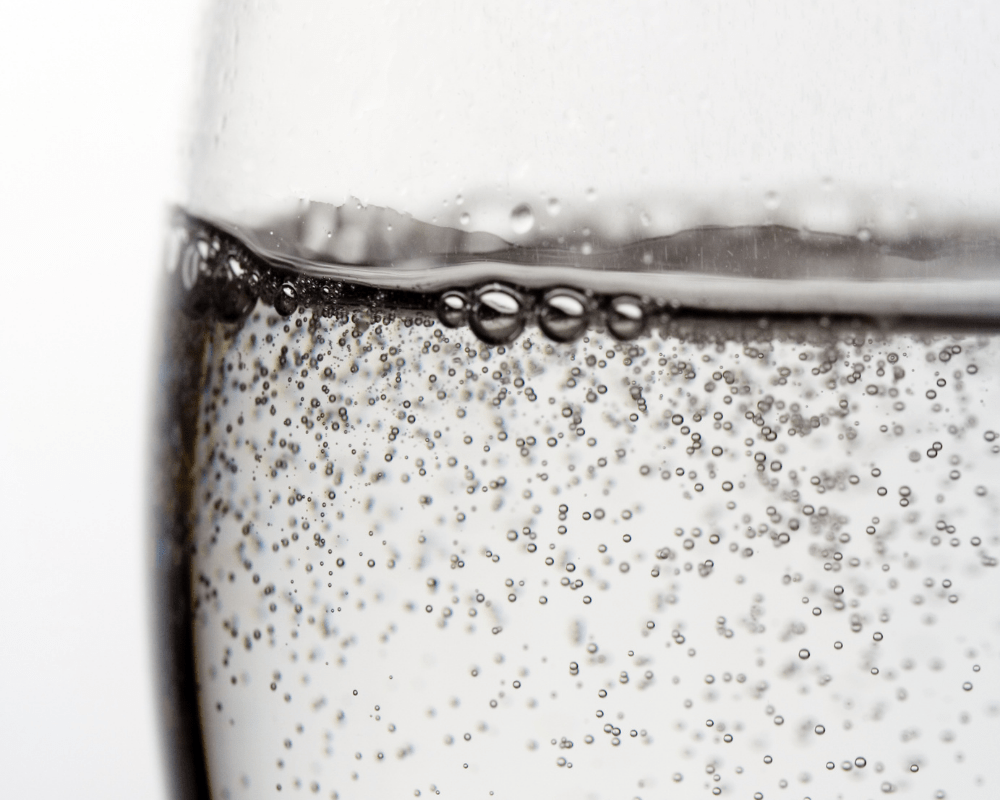
Hydrogen water enters the body through the gastrointestinal tract, and that route gives it opportunities that inhaled H₂ does not reproduce in exactly the same way. Before hydrogen ever reaches the systemic circulation, the dissolved gas is exposed to the stomach, intestine, portal circulation, and liver.
This is one reason I have never been comfortable reducing hydrogen-water dosing to the argument that “it contains fewer total milligrams than inhalation, therefore it must be weaker.” Total dose matters, but where the H₂ appears, how quickly it appears, and which biological systems are exposed first also matter.
Ghrelin and Stomach Signaling
Hydrogen water has been shown experimentally to enhance circulating ghrelin through β1-adrenergic receptor signaling. Ghrelin is produced primarily in the stomach and can have effects well beyond hunger, including neurological signaling.
Leptin, Adiponectin, and Metabolic Signaling
Other hydrogen-water studies have reported changes in metabolic signaling molecules such as adiponectin and leptin. I would not use one biomarker study to claim that these effects occur in everyone, but this is exactly the kind of route-specific secondary signaling that makes hydrogen water biologically interesting beyond the raw H₂ dose alone.
Review the adiponectin and leptin study ↗
FGF21 and Liver Metabolism
The Gut Microbiome
The gut connection has become even stronger since I first wrote this article. A later rat study directly compared long-term hydrogen-rich water with hydrogen inhalation and found that the two routes affected the microbiome and plasma metabolome differently. Hydrogen-rich water produced significant changes in gut-microbial community structure, while the inhalation group did not show the same marked bacterial-community shift under those experimental conditions. The metabolic pathways that changed were also different between the two groups.
That is exactly the type of finding I mean when I say the routes are related, but not interchangeable.
Read the hydrogen water vs. inhalation microbiome/metabolome study ↗
Why the “Pulse Effect” Still Interests Me
Hydrogen water delivers a relatively small amount of H₂ very quickly. That rapid rise-and-fall pattern may act differently from a lower but sustained tissue concentration maintained during inhalation. Researchers have discussed the surprising observation that hydrogen-rich water can sometimes produce prominent biological effects despite supplying far less total H₂ than inhalation. I think that is a clue that molecular hydrogen biology is more complicated than simply adding up total milligrams.
Human pharmacokinetic work has also shown how quickly orally consumed H₂ is eliminated. In one study, investigators estimated that a large portion of hydrogen from hydrogen water was ultimately exhaled through the lungs, with a smaller fraction leaving through the skin and some retained or otherwise accounted for in the body during the measurement period. I think this reinforces two points at the same time: hydrogen water is absorbed, and the exposure is also transient.
Read the human hydrogen-water distribution/elimination study ↗
Where I Think Hydrogen Inhalation Has Unique Advantages
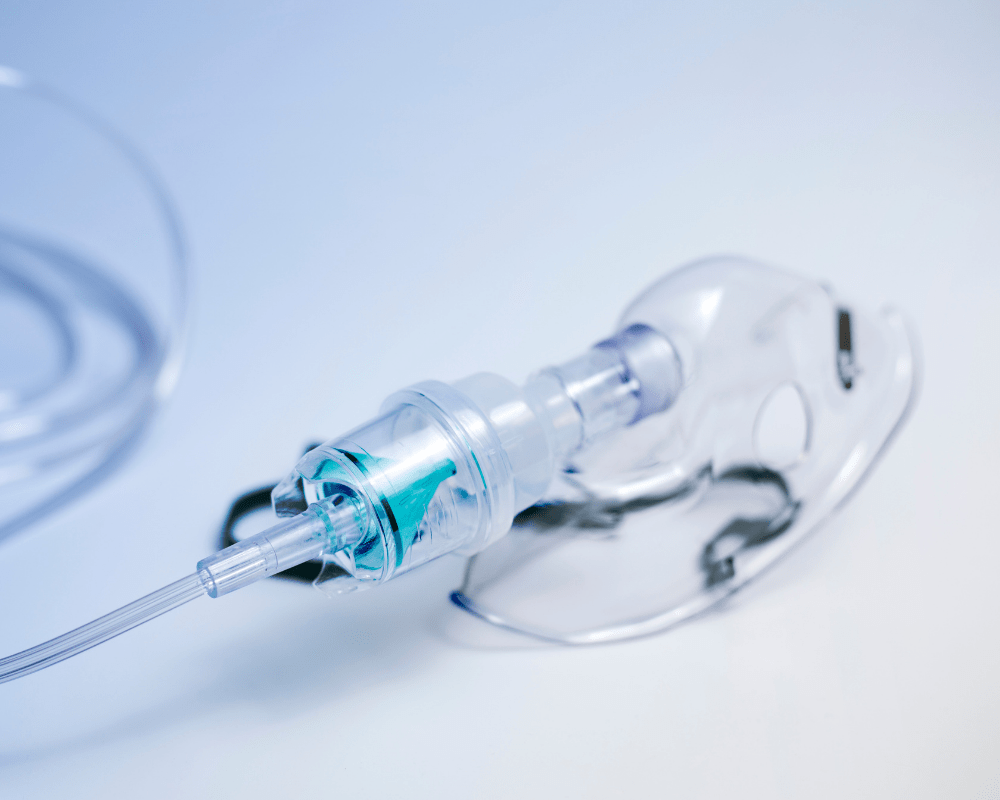
Hydrogen inhalation is a different delivery system. Instead of passing through the digestive tract first, H₂ reaches the lungs and can move rapidly into the blood. The biggest practical advantage is that the exposure can continue for the entire session.
This means someone can receive substantially more total molecular hydrogen over one or several hours than could realistically be consumed through hydrogen water alone. That does not automatically make inhalation “better,” but it gives inhalation an obvious advantage when the research target calls for higher and more sustained systemic H₂ exposure.
Review the administration-route discussion ↗
Clinical pharmacokinetic observations have also shown that inhalation can produce substantial measurable blood H₂ while the gas is being supplied. This is one of the reasons I view inhalation as a strong route when the goal is sustained systemic exposure rather than a brief pulse.
Read the clinical blood-H₂ observations ↗
Another review describes the same basic pharmacokinetic advantage in terms of exposure over time: inhalation can provide the largest amount of H₂ in a time-dependent manner and an especially large area under the concentration-time curve compared with shorter administration routes.
Read the administration-method review ↗
Inhalation is also the route that repeatedly appears in research involving acute brain injury, stroke, cardiac arrest, ischemia-reperfusion injury, and other situations where researchers want H₂ available quickly and continuously.
The Six-Month Hydrogen Water vs. Inhalation Study
One of the more useful comparison studies followed healthy rats for six months while researchers compared hydrogen-rich water with hydrogen inhalation and monitored body weight plus 13 serum biochemical parameters.
The study is useful because it does something I wish we had much more of in hydrogen research: it directly compares two administration routes over a long period instead of studying each one in isolation.
Hydrogen inhalation generally produced earlier and larger changes across many of the measured parameters. Some changes appeared after only one week in the inhalation group, and the magnitude of change in several lipid, liver, and myocardial-enzyme markers was greater than with hydrogen water. Body weight also decreased more consistently in the inhalation group.
Several markers changed sooner with inhalation
Triglycerides, HDL-C, ALT, LDH, HDB, CK, and CK-MB were among the parameters that showed significant changes early during hydrogen inhalation.
Many changes were larger with inhalation
The authors reported more pronounced alterations in most monitored parameters in the inhalation group than in the hydrogen-water group.
The routes did not affect every marker the same way
Hydrogen water and inhalation both altered physiology, but the timing and magnitude of the effects differed.
This was a healthy-animal study
It does not prove inhalation is superior for every disease. It shows that route and delivered H₂ exposure can produce meaningfully different biological responses.
Read the full six-month comparison study ↗
The point I take from this study is not “inhalation wins everything.” The investigators measured a specific group of biomarkers in healthy animals. Hydrogen water could influence biological systems that were not included in that panel, and a disease model could respond differently. But the study clearly supports the larger point of this article: hydrogen water and hydrogen inhalation do not act as identical therapies.
What Newer Route Research Adds
Another route-comparison study used a D-galactose aging model and compared 4% hydrogen inhalation, hydrogen-rich water, and hydrogen-rich saline. All three administration methods improved multiple aging- and oxidative-stress-related markers.
Inhalation appeared to be the most effective route for H₂ uptake and for reducing some oxidative-stress markers in specific tissues, including the brain and heart. At the same time, the researchers emphasized that the other administration routes produced similar efficacy for many of the measured indicators.
Read the aging-model route comparison ↗
This is the nuance I want consumers to understand. Depending on what we measure, inhalation can outperform water. In another biological system, water can produce effects inhalation does not reproduce to the same degree. Sometimes the routes overlap. Sometimes they separate. That is why a universal “one route is always better” answer does not fit the literature.
What the Broader Delivery Research Is Telling Us
Modern reviews of molecular-hydrogen delivery still describe inhalation and hydrogen-rich water as fundamentally different administration strategies with different strengths and limitations in stability, bioavailability, exposure, and targeting. We still do not have a single universally optimal administration route for every disease model or every therapeutic goal.
For me, that strengthens the framework I have used for years: compare the route, delivered dose, exposure duration, tissue target, disease model, and practical use—not just the name “molecular hydrogen.”
Why I Like Using Hydrogen Water and Inhalation Together
The strongest experimental argument for combining the two routes comes from the gene-expression study I mentioned earlier. Hydrogen-rich water rapidly increased H₂ in the liver and atrial blood, while inhalation increased H₂ in both atrial and arterial blood. When the researchers combined the routes, the combination produced the strongest effects on the signaling pathways and gene-expression patterns they measured.
Read the combined-administration study ↗
I want to be precise about what that means. This was experimental animal research, so it does not prove that every human will get better clinical results by combining hydrogen water and inhalation. But it does give us a biological reason to think the two routes can be complementary instead of redundant.
This is one reason my family has used both methods. Hydrogen water is easy to work into normal daily hydration, while inhalation allows a much larger and longer exposure when we intentionally want a dedicated H₂ session.
What Longer Human Inhalation Research Adds to the Discussion
When people compare hydrogen water with inhalation, one mistake is to judge inhalation only by the amount of H₂ that enters the blood in the first few minutes. Inhalation research often uses repeated sessions or several hours per day, which means duration becomes part of the dose.
A few human studies and case reports illustrate why researchers remain interested in that longer exposure pattern. These studies do not prove that hydrogen water could not have helped in the same conditions because most did not directly compare the two routes. They show what sustained inhaled H₂ has been capable of producing in specific clinical settings.
3% H₂ inhalation in acute stroke
In a 50-patient randomized study, the H₂ group inhaled 3% hydrogen for one hour twice daily. The investigators reported favorable changes in MRI infarction measures, NIHSS scores, and physical-therapy outcomes, with no significant adverse effects reported.
3–6 hours of inhalation per day
A published NSCLC case report described marked reduction of multiple brain metastases after four months of hydrogen-gas monotherapy and disappearance of visible brain tumors after one year. This is a single case, but the long daily exposure is important when thinking about inhalation as a delivery method.
4–6 hours of inhalation per day
An 11-year-old boy in a persistent vegetative state after severe intracerebral hemorrhage showed progressive recovery during five months of high-concentration H₂/O₂ inhalation after limited improvement during the preceding rehabilitation period. Again, this is a case report rather than a controlled trial, but it shows why prolonged inhalation protocols deserve serious research attention.
Exposure duration is part of the therapy
The inhalation route can maintain H₂ exposure for hours at a time. That pharmacokinetic reality is one reason I do not think hydrogen water and inhalation should be compared simply by asking which one contains more H₂ at a single moment.
So Which One Is Better? My Answer Today
My answer is still that there is no universal winner. Hydrogen inhalation can deliver far more total H₂ and maintain systemic exposure for a much longer period. That gives it an advantage in many situations, particularly when sustained or higher systemic exposure is the goal.
Hydrogen water has its own advantages. It is extremely easy to use, creates a rapid H₂ pulse, directly exposes the GI tract and portal circulation, and has route-specific research involving ghrelin, metabolic signaling, the liver, and the gut microbiome. There are also disease models in which hydrogen water has produced substantial effects despite delivering a much smaller total amount of H₂ than inhalation.
I think the mistake is trying to force these two therapies into a competition when the research increasingly shows that they can be complementary.
If I had to simplify my position:
- If convenience and daily repeated use are the priority, hydrogen water is extremely practical.
- If a larger, sustained systemic H₂ dose is the priority, inhalation has an obvious advantage.
- If GI and microbiome effects are important, hydrogen water has a unique route-specific rationale.
- If the goal involves acute neurological or systemic exposure, inhalation has a strong research rationale.
- If someone has access to both and can use them appropriately, I see a reasonable scientific basis for combining them rather than assuming one makes the other unnecessary.
At H2HUBB, the question I ask is not “Which hydrogen therapy is best in the abstract?” I ask, “What are we trying to accomplish, what dose is being delivered, how is it being delivered, and what does the research for that administration route actually show?”
Learn the Two Methods Before Comparing Products
If you are deciding between hydrogen water and hydrogen inhalation, I recommend understanding the delivery methods first and then comparing products based on measured performance, safety, build quality, intended use, and the amount of H₂ they actually deliver.
Hydrogen WATER vs. Hydrogen INHALATION BATTLE!
Watch the H2Minutes discussion where we compare the two major administration methods and explain why the answer is more complicated than simply picking one winner.
Hydrogen Water vs. Hydrogen Inhalation FAQ
Is hydrogen inhalation better than hydrogen water?
Not universally. Inhalation can provide a much larger and more sustained systemic H₂ dose, while hydrogen water creates a rapid oral/portal pulse and has unique gastrointestinal and microbiome-related effects. The better route depends on the biological target, dose, duration, disease model, and practical goal.
Can hydrogen water and hydrogen inhalation be used together?
Yes, the two routes have been combined in experimental research. In one rodent gene-expression study, simultaneous hydrogen-rich water and hydrogen-containing air produced the strongest effects on the signaling pathways and gene-expression patterns measured. That does not prove the combination is clinically superior for every person or condition, but it supports the idea that the routes can be complementary.
Which method delivers more molecular hydrogen?
A properly dosed inhalation session can deliver substantially more total H₂ than a serving of hydrogen-rich water, especially when inhalation continues for an hour or longer. Hydrogen-water dose should be considered in milligrams consumed, while inhalation dose depends on gas output, inhaled H₂ concentration, breathing, and session duration.
Does hydrogen water reach the blood and brain?
Yes. H₂ from hydrogen-rich water is absorbed rapidly and has been measured in blood and tissues. However, the exposure is brief because molecular hydrogen diffuses and is cleared quickly. Inhalation can maintain blood and tissue exposure for a longer period because H₂ continues entering through the lungs during the session.
Why might hydrogen water affect the gut differently from inhalation?
Hydrogen water directly contacts the stomach and intestine before absorbed H₂ reaches portal blood and the liver. Long-term animal research has also reported different effects of hydrogen-rich water and inhalation on the gut microbiome and plasma metabolome, supporting route-specific biology.
Sources & Further Reading
- Simultaneous oral and inhalational intake of molecular hydrogen additively suppresses signaling pathways in rodents
- Effects of long-term hydrogen intervention on the physiological function of rats
- Different effects of hydrogen-rich water intake and hydrogen gas inhalation on gut microbiome and plasma metabolites of rats
- Protective effect of molecular hydrogen following different routes of administration on D-galactose-induced aging mice
- Advances in hydrogen delivery strategies for therapeutic applications
- Hydrogen water and β1-adrenergic receptor-dependent ghrelin secretion
- Molecular hydrogen, PGC-1α, FGF21, and metabolic signaling
- Human hydrogen-water elimination and distribution study
- Molecular hydrogen administration and pharmacokinetic discussion
- Hydrogen gas inhalation treatment in acute cerebral infarction: randomized controlled clinical study
- Brain metastases completely disappear in non-small cell lung cancer using hydrogen gas inhalation: case report
- Hydrogen inhalation promotes recovery of a patient in persistent vegetative state from intracerebral hemorrhage: case report
- H2HUBB Hydrogen Inhalation Therapy Guide
- H2HUBB Molecular Hydrogen Research Library